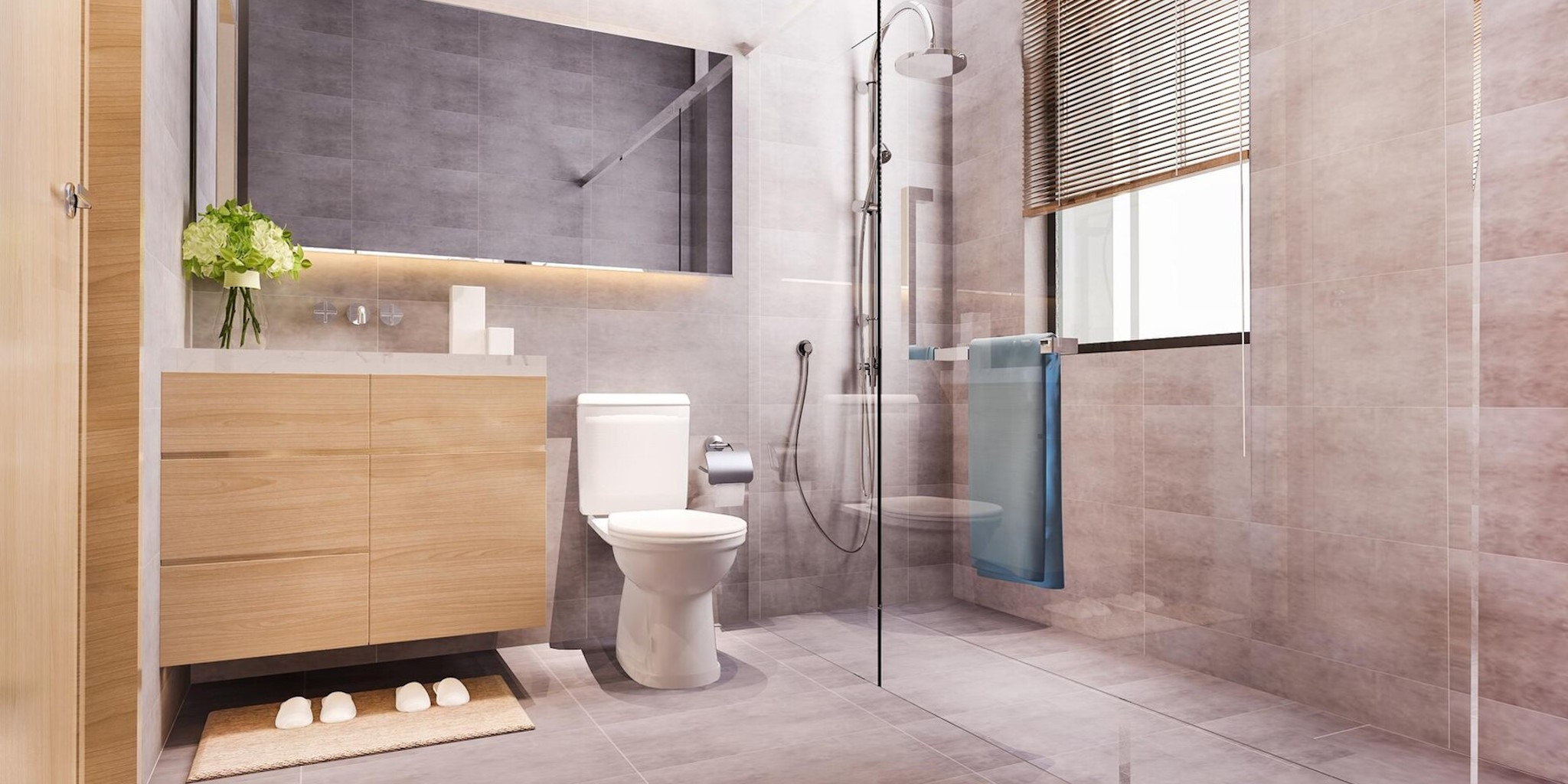
How Can I Ensure Energy Efficiency in My Bathroom Renovation
Identifying Sustainable Materials and Technologies
Step one in how to make your bathroom renovation energy-efficient is choosing the materials and amenities that would help reduce energy consumption and sustain longevity.
Choose high-quality thermal insulation, since most heat loss happens through the outer walls. New heating technologies may involve radiant floor heating systems that apply the heat directly onto the tiles, making them warmer beneath your feet and more energy-efficient compared to a standard heating system.
Selecting the Right Fixtures
These have in mind the water conservation in energy-efficient bathrooms where inventions are the low-flow toilets, showerheads, and taps reducing the usage of water to the minimum without compromising performance. Most importantly, though, the dual flush toilet has been designed with two features for controlling the quantity of water used, depending on the level of waste available.
Utilising Efficient Lighting
Replace your lights with LED lighting and save on electricity, since they use up to 90% less power than incandescent lamps. With such a long life, it helps lower your energy and maintenance costs. In this lighting design, there could be added a layered lighting design; would include tasks, ambient, and accents such that it provides a pleasant ambience.
Implementing Smart Systems
Smart home technology could provide an answer to the efficiency question. This will help decrease the energy waste significantly. Particular features such as automatic systems will be established to enable lighting, heating, and ventilation control through the period of occupancy and time of the day. Furthermore, in the modern era of digitalization, mirrors and windows also may obtain smart features: they could be, for instance, heated or illuminated based on the weather outside to provide the necessary energy input during the daytime.
Optimising Ventilation for Energy Conservation
There should be no tendency for ventilation to promote the growth of mould or unnecessarily allow heat to escape out of the room while maintaining air quality. The next element will be ensuring that there is proper air circulation without letting out the heat of the room, an effective system of air circulation with minimal energy through either the energy-efficient extractor fans or well-operating windows design.
Choosing Energy-Efficient Appliances
If you are to have a heated towel rail, make sure it’s thermostatically controlled to enable you to adjust the heat output. Make sure that any underfloor heating is installed so that it can be connected to a programmable thermostat to avoid unnecessary heating. These adjustments can dramatically decrease energy use but still allow peak comfort.
Implementing Water-Heating Solutions
It means that it heats only the needed water without necessarily having a tank to keep the preheated hot water. Such systems eliminate the need for a storage tank, which continuously heats water, leading to high. Installation of a tankless water heater could be an ideal way to cut the amount of energy used in heating water. Sustainable Practices and
Sustainable Practices and Maintenance
After installation, it will also be important to look into the efficiency of your bathroom; that is to say, check and maintain these fixtures and fittings regularly so that they are at all times in good working condition. Further still, the use of eco-friendly cleaning products shall also be of great help in ensuring quality and sustainability of the environment in the bathroom.
Conclusion
The bathroom remodels should include all of these; hence attaining a level of energy efficiency at home, saving resources same time offering sleek, contemporary design. All this helps not only the environment but also helps you reduce your long-term energy costs, as it is an investment in the future of your home.